Do Dry Marinades Need Time to Marinate?
Dry marinades do not need time to marinate before cooking.
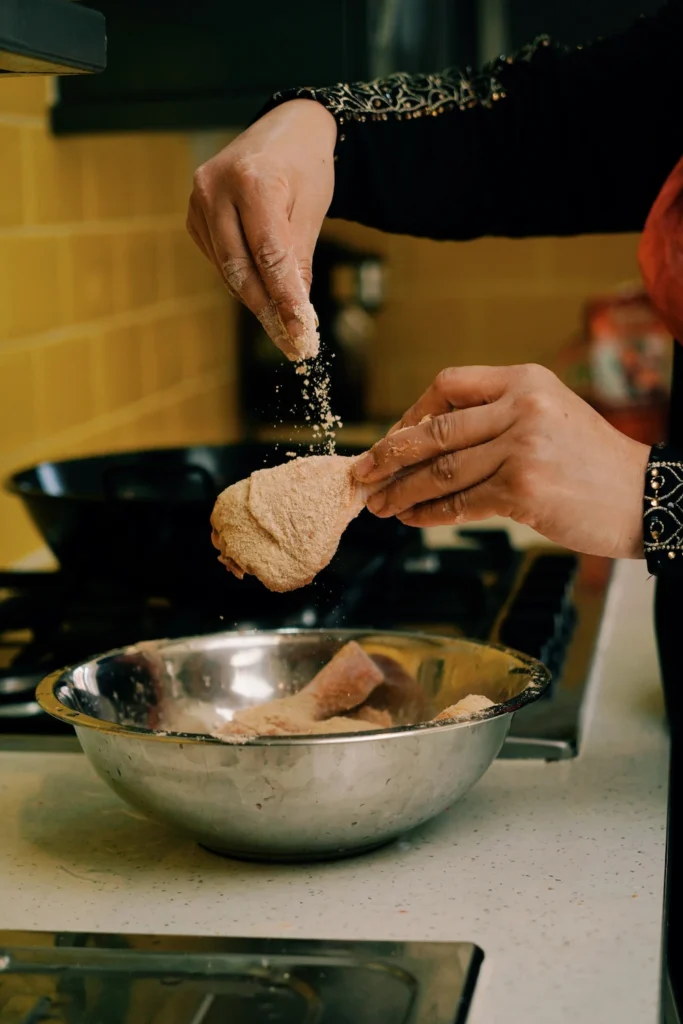
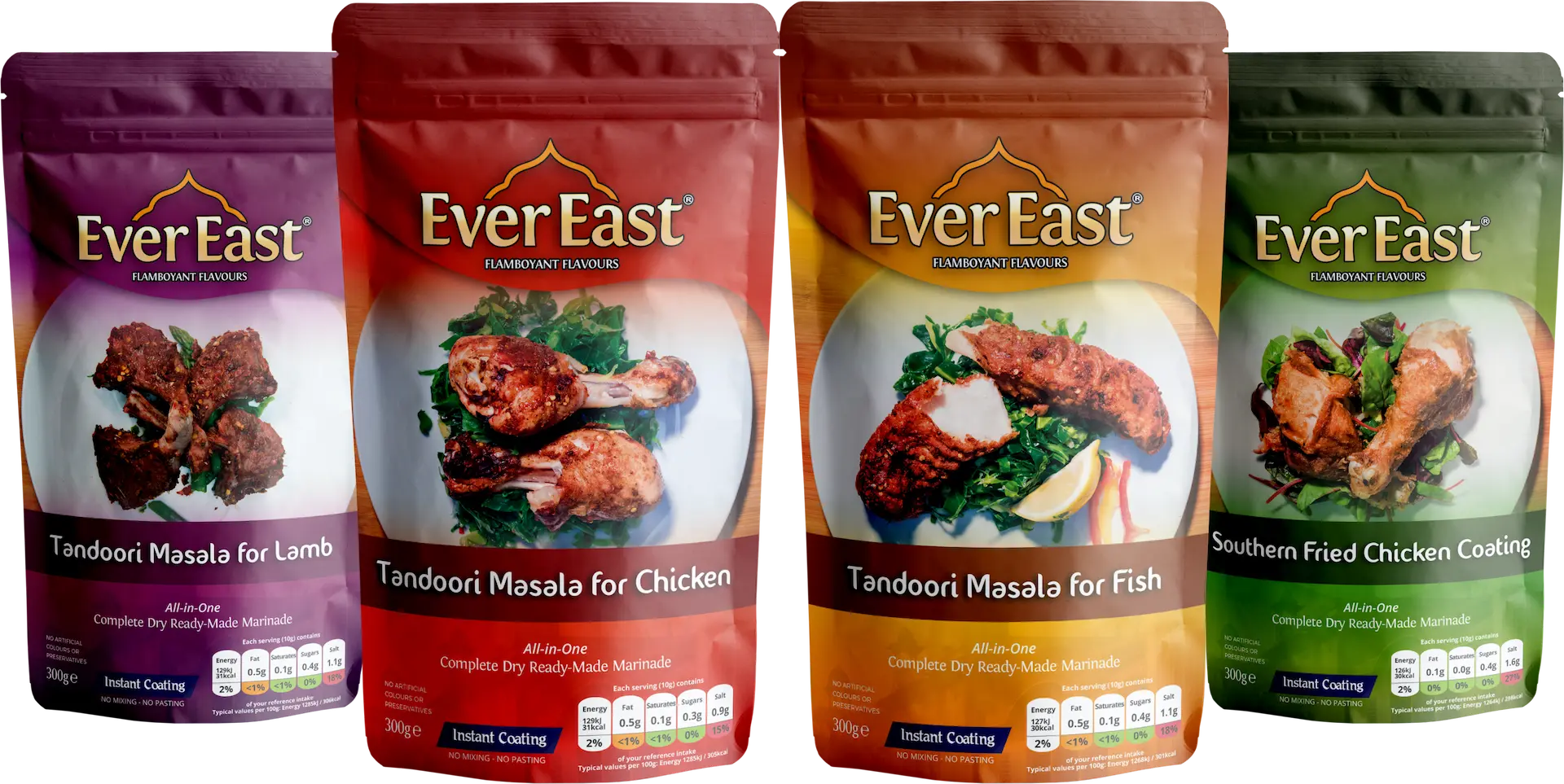
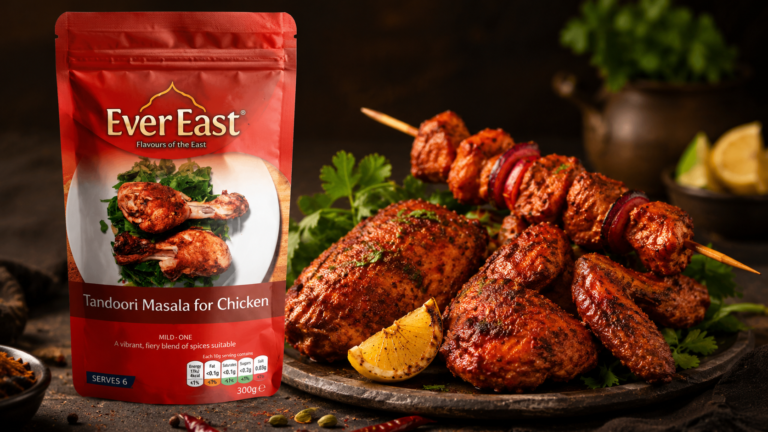
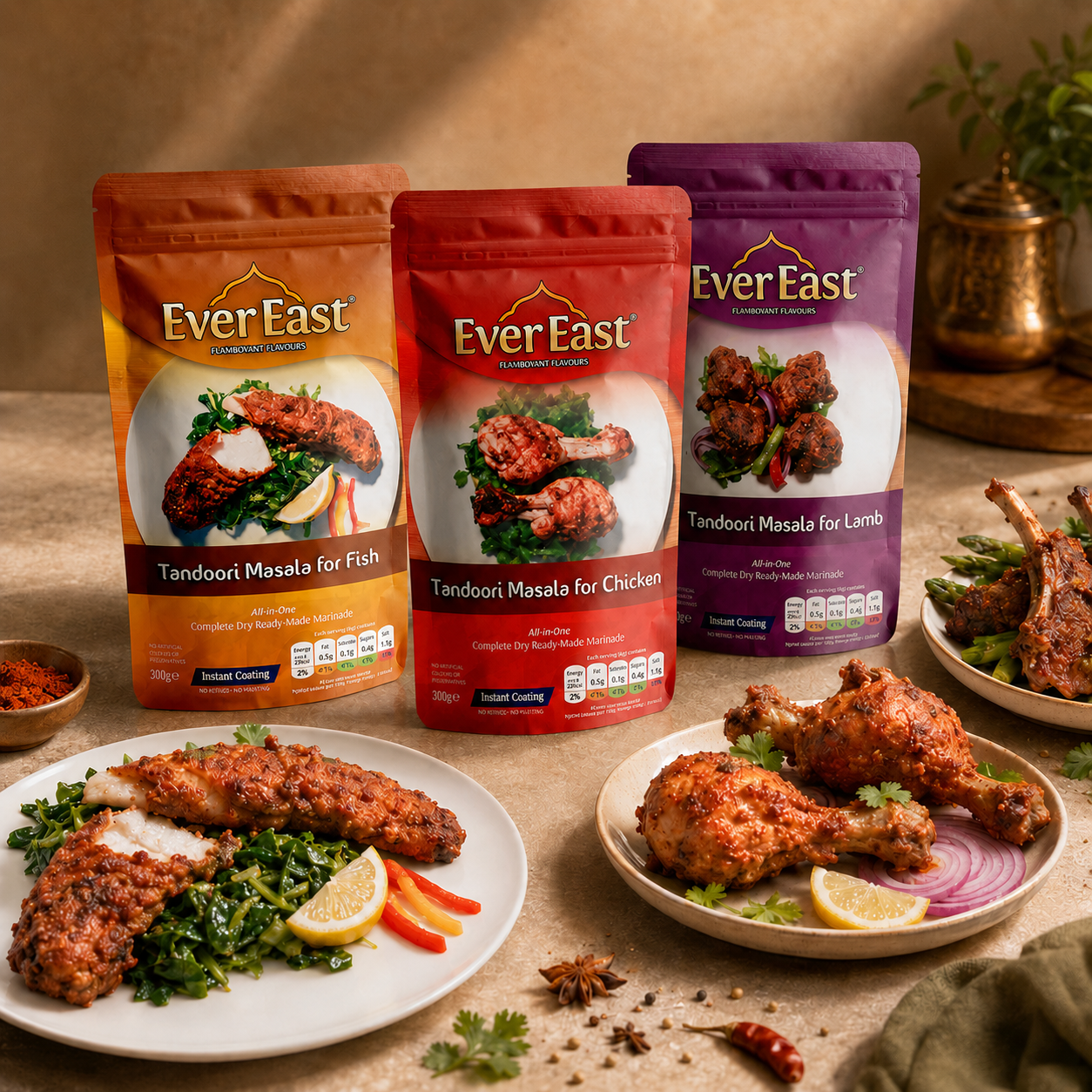
You can coat your meat, fish, or king prawns and cook them straight away. If you have a bit more time, a short rest helps the seasoning cling and gives the salt and spices more time to work across the surface. That makes dry marinades a strong choice for busy weeknights, quick lunches, and last-minute BBQs. With Ever East, you can apply our marinades direct to dry meat, or wet it with a little water first if you want the coating to cling more firmly. No egg, yoghurt, oil, or lemon needed.
How dry marinades work
A dry marinade uses a seasoned coating instead of a bowl of wet ingredients. You rub the mix onto the surface of the meat, fish, or seafood, and the seasoning forms a flavour-packed layer as it cooks. Salt draws some moisture to the surface. That light surface moisture helps the marinade stick. Heat then sets the coating and builds colour, aroma, and taste. You do not need a wet marinade for good results. You do not need to mix in oil or yoghurt. You can:- apply the marinade direct to dry meat
- wet the surface with a little water first
- coat the food and cook it straight away
- leave it for a short rest if you want a stronger outer coating
Cook straight away if

Leave it for 10 to 20 minutes if

Leave it for 30 to 60 minutes if
you cook bone-in chicken or larger lamb or beef pieces
How to apply a dry marinade for the best results
- Prep the meat, fish, or seafood. Pat off excess moisture if needed. You can use the marinade on dry meat, or you can wet the surface with a little water first.
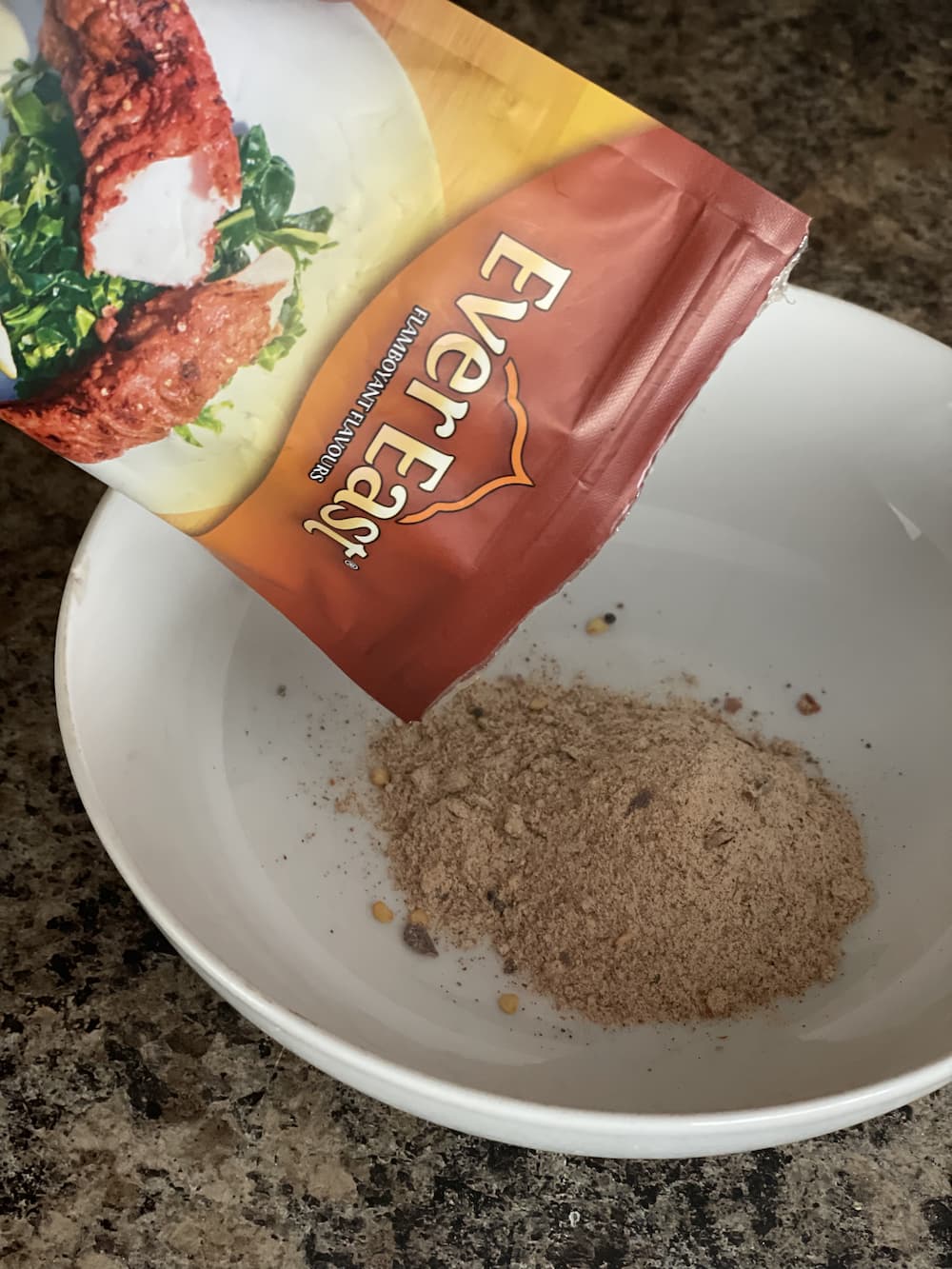
- Add the marinade. Sprinkle the marinade over the food and coat it well on all sides. Use your hands to press the seasoning onto the surface.
- Choose your timing. Cook at once for speed, or leave it for a short rest if you want the coating to cling more firmly.
- Cook with your chosen method. Air fry, pan fry, oven cook, or BBQ until the food is cooked through and the outside looks well coloured.

Dry meat or lightly wet meat?

Apply direct to dry meat if
- you want the fastest prep
- the meat already has enough natural surface moisture
- you want a lighter coating
Wet the meat with a little water first if
- you want the seasoning to grab faster
- you cook fish fillets or king prawns
- you want a thicker coating on chicken, lamb, or beef
Best timing by protein

Chicken
Chicken handles dry marinades well because the surface holds seasoning with little effort. Good timing for chicken:- chicken strips or wings: cook at once or rest 10 to 15 minutes
- boneless thighs or breast pieces: rest 15 to 30 minutes if you have time
- larger bone-in pieces: rest 30 to 60 minutes for fuller coverage
Lamb or beef
Lamb or beef benefits from a short rest, especially on larger cubes, steaks, or chops. The seasoning has more time to settle before the heat hits the surface. Good timing for lamb or beef:- thin beef strips: cook at once or rest 10 minutes
- lamb chops or beef steaks: rest 15 to 30 minutes
- larger lamb or beef chunks: rest 30 to 60 minutes if you want a deeper outer flavour
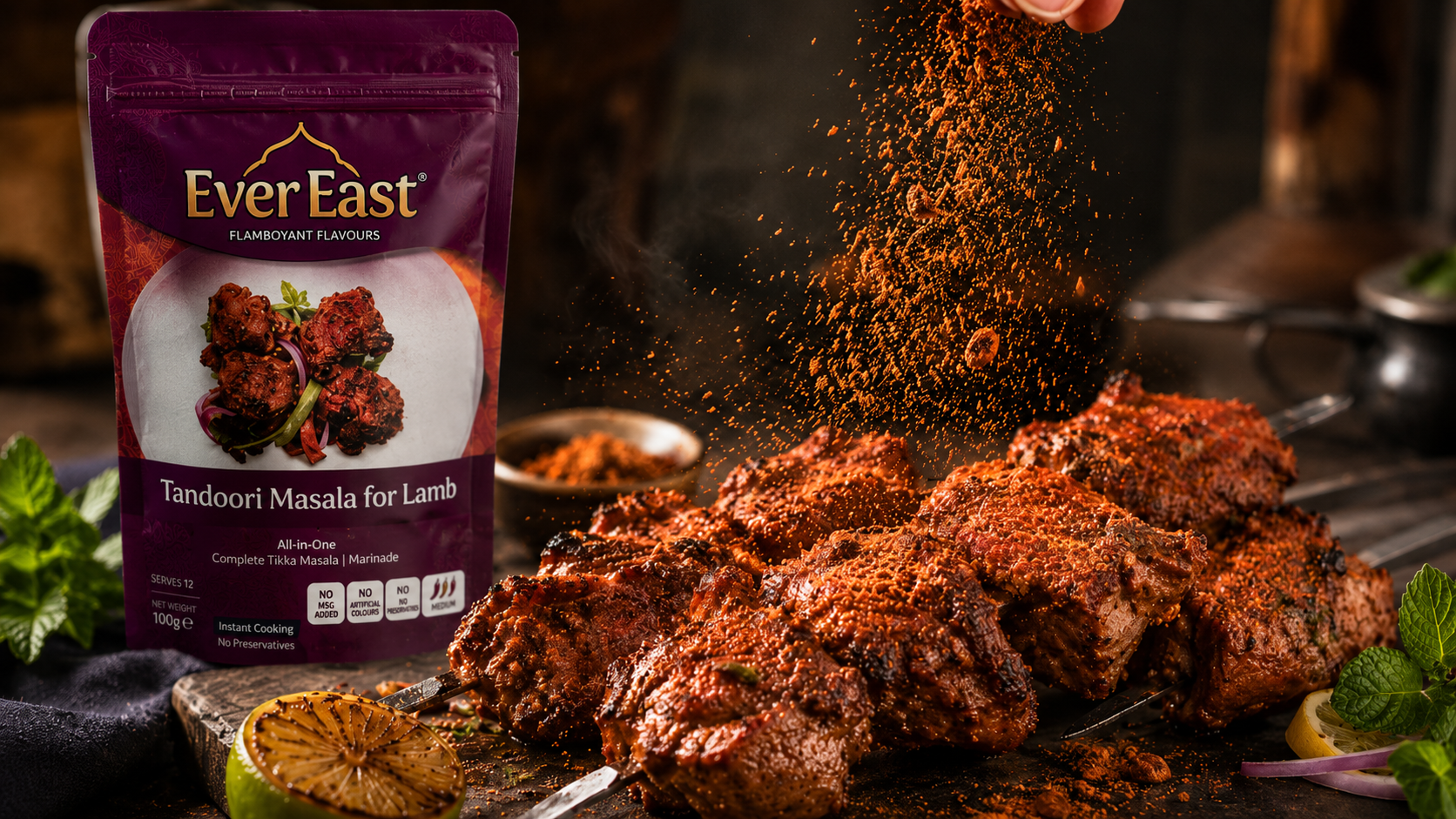
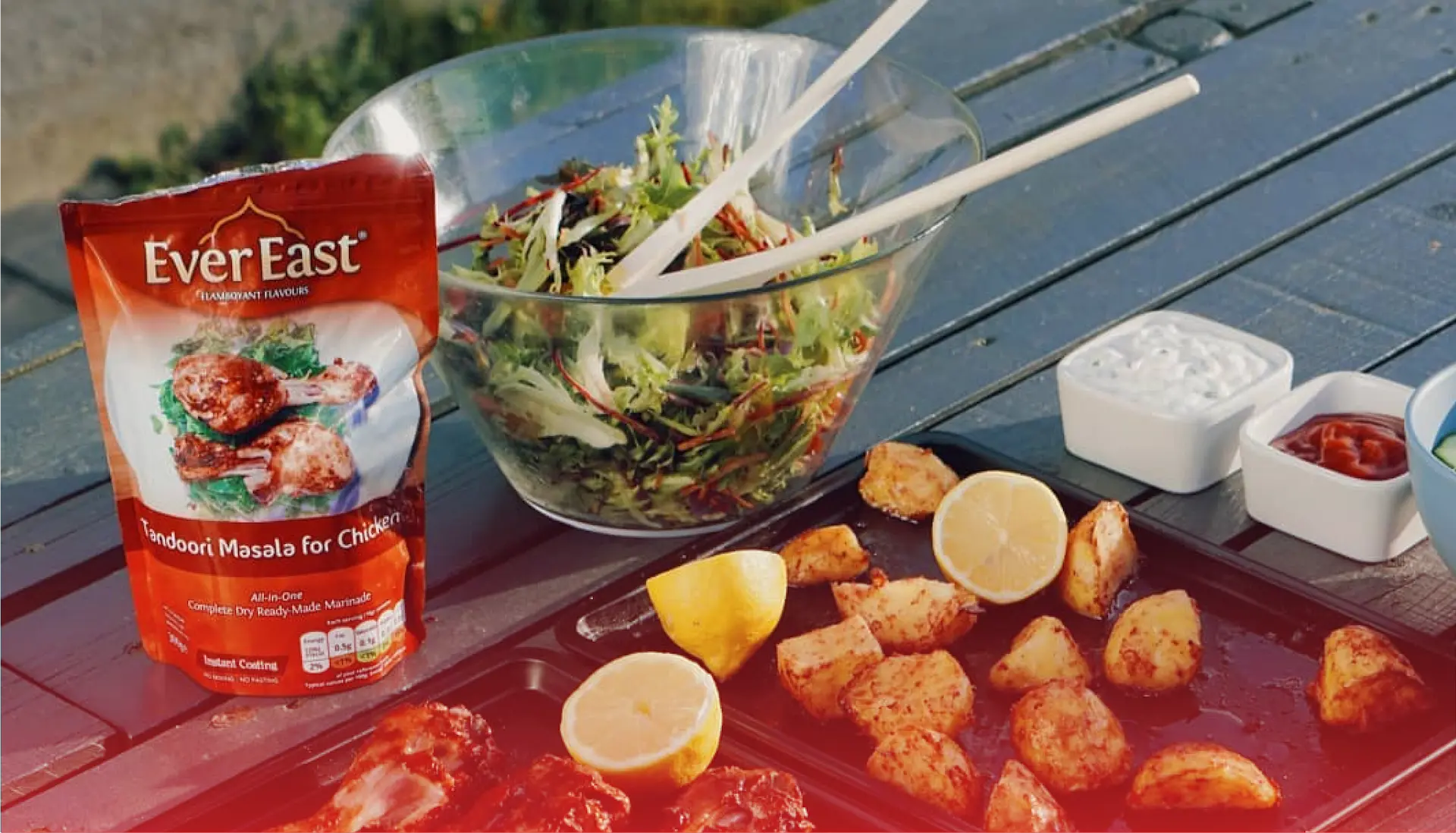
Our Tandoori Masala for Lamb Marinade works beautifully on lamb or beef for oven trays, pan-fried pieces, skewers, and BBQ cooking.
Fish and seafood
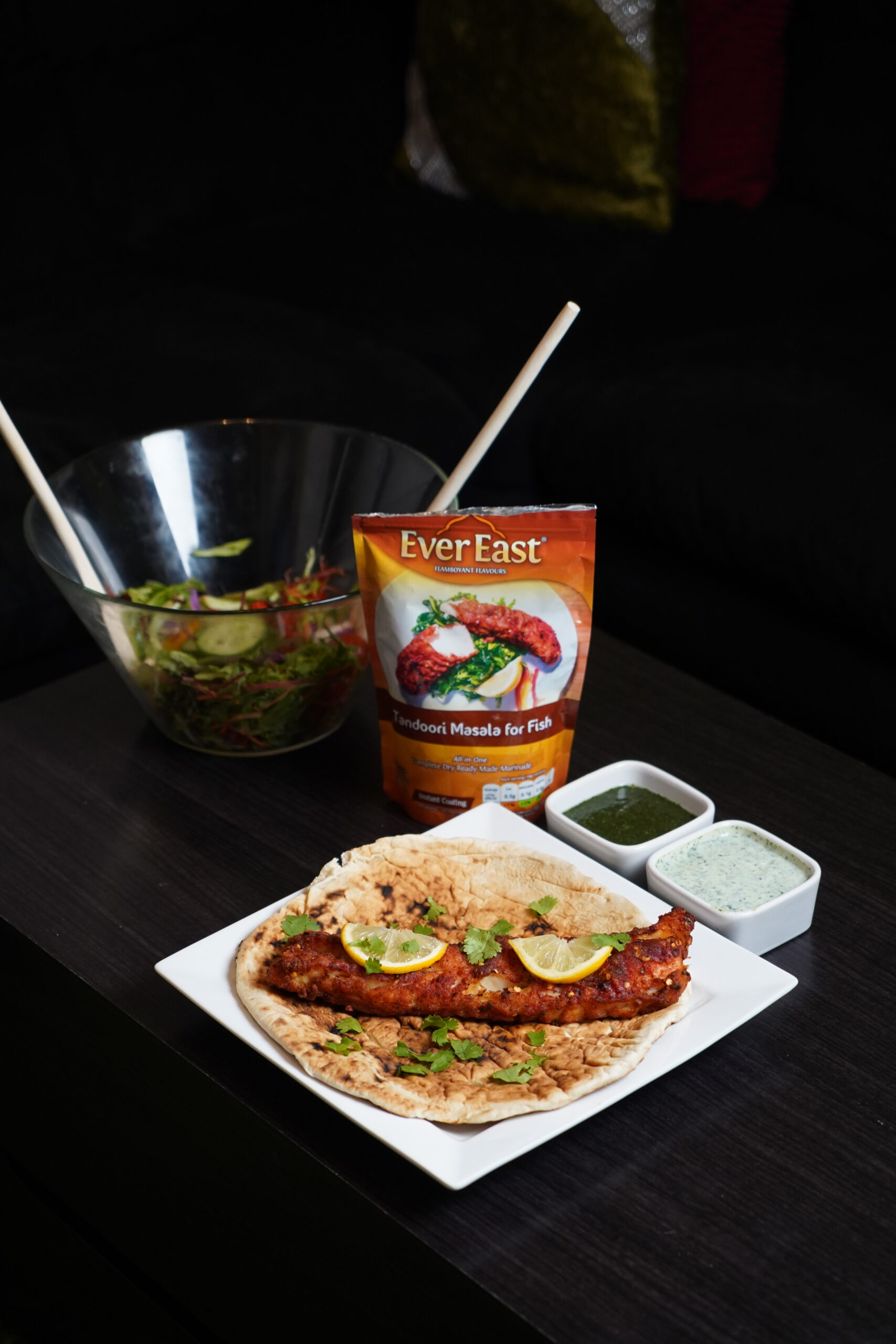
Fish and seafood need less waiting time. Thin fillets and prawns cook fast, so the marinade does not need long to perform. Good timing for fish and seafood:- cod, haddock, tilapia, basa, sea bass, salmon, or white fish fillets: cook at once or rest 10 to 15 minutes
- king prawns: cook at once or rest 10 minutes
Cooking method makes a difference

Air fryer
Air fryers suit dry marinades well. Hot circulating air helps set the coating and build colour. Thin chicken pieces, fish fillets, and king prawns all work well with little or no waiting time.Pan frying
A hot pan gives you quick browning and a strong crust. Short resting helps on chicken, lamb, or beef, but you can still coat and cook straight away.Oven cooking
The oven gives you steady heat for larger pieces. If you cook bigger cuts of chicken, lamb, or beef, a 20 to 60 minute rest can improve the finish.BBQ
BBQ heat works well with dry marinades because the outside takes on colour and char with little fuss. Coat the food, let it sit while the grill heats, then cook.Why home cooks choose dry marinades
Dry marinades save time and cut mess.
You do not need:
- a mixing bowl full of ingredients
- extra spices from the cupboard
- egg, yoghurt, oil, or lemon

Answers to common questions
Do dry marinades need time to marinate?
No. You can cook straight after applying a dry marinade. A short rest of 10 to 30 minutes helps the coating settle and can improve flavour on the surface.Can I cook meat straight after applying a dry marinade?
Yes. Chicken strips, wings, fish fillets, and king prawns all cook well straight after coating. Larger cuts of chicken, lamb, or beef benefit from a short rest if you have time.
How long should I leave a dry marinade on meat?
Use these time ranges:- 0 minutes for fast cooking
- 10 to 20 minutes for thin cuts and seafood
- 15 to 30 minutes for boneless chicken, chops, and steaks
- 30 to 60 minutes for larger pieces of chicken, lamb, or beef
Does a dry marinade work better with moisture?
A little surface moisture helps the marinade cling. You can apply it direct to dry meat, or wet the meat with a little water first. Both methods work. Water helps if you want a firmer coating.
Is a dry marinade the same as a dry rub?
For most home cooking, the terms overlap. Both season the surface and create flavour during cooking. The main difference sits in how people use the words, not in a strict kitchen rule.Do I need oil with Ever East marinades?
No. No egg, yoghurt, oil, or lemon needed.Which meats and fish work best with dry marinades?

- chicken breast, thighs, wings, and drumsticks
- lamb or beef chops, steaks, cubes, and strips
- cod, haddock, salmon, sea bass, tilapia, basa, and white fish fillets
- king prawns
Ready to make tonight’s meal easier?

Pick your protein, coat it, and cook. That is the appeal of Ever East.
Our dry marinades give you bold flavour with less prep, less mess, and no guesswork. No egg, yoghurt, oil, or lemon needed.