Ever East guide
How to Use Dry Marinades for Maximum Flavour
Dry marinades are one of the simplest ways to bring bold, home-style flavour to chicken, lamb, fish and vegetables without mixing oils, yoghurt, lemon juice or complicated ingredients.
If you are wondering how to use dry marinades properly, the simple answer is: coat the food evenly, allow enough contact time for the seasoning to settle, then cook using the right heat for the ingredient. With ready-made dry marinades like Ever East, you simply coat, cook and serve.
Why they work
Dry marinades are all about contact, concentration and heat
Because the seasoning is applied directly to the surface, the spices sit exactly where flavour is needed most. As the food cooks, moisture from the meat or fish helps the marinade cling, bloom and develop a cooked-on crust.
This makes dry marinades especially useful for grilling, roasting, pan-frying, air frying and BBQ cooking. They help busy home cooks create generous, aromatic meals without preparing spice pastes or washing up bowls of wet marinade.
A good dry marinade can help you:
- Add bold flavour without a long ingredient list
- Create a well-seasoned outer layer
- Reduce mess compared with wet marinades
- Work quickly for weeknight meals
- Deliver more consistent results
- Use only the amount you need
- Cook across grills, ovens, pans, air fryers and BBQs

Dry vs wet
The difference between dry marinades, rubs and wet marinades
Dry marinades and dry rubs are often used in similar ways, but there is a subtle difference. A dry rub is usually a surface seasoning applied before cooking, while a dry marinade is designed to act more like a complete flavour system. It seasons, coats and builds character without needing a separate liquid base.
Wet marinades usually contain liquid ingredients such as oil, vinegar, lemon juice, yoghurt, buttermilk or soy sauce. These can be excellent for certain dishes, but they often require more preparation time and can become messy. They can also dilute flavour if the balance is not right.
Dry marinades are useful when you want:
- Less mess
- Faster prep
- A more concentrated spice coating
- Easier storage
- Less waste
- Reliable flavour without extra ingredients
- Specific marinades for specific meats
Step by step
How to use dry marinades effectively
The best results come from a simple process: choose the right ingredient, prepare the surface, coat evenly, rest, then cook with controlled heat.
Start with the right ingredient
Dry marinades work beautifully with chicken, lamb, fish and many vegetables. Choose a cut that suits your cooking method, such as chicken thighs, drumsticks, wings, lamb chops, lamb cubes, fish fillets, paneer, cauliflower, mushrooms, peppers, potatoes or BBQ skewers.
For Ever East marinades, match the blend to the ingredient for the best result: Tandoori Masala for Chicken, Tandoori Masala for Lamb, Tandoori Masala for Fish, or Southern Fried Chicken Marinade.
Wet the food if you want to
Before applying a dry marinade, you can wet chicken, lamb or fish if you want the seasoning to stick more evenly. You do not need to make the food soaked; the aim is simply to help the seasoning settle without becoming patchy.
This is especially useful for fish, chicken skin and lamb chops, where excess dryness or uneven surface moisture can affect browning.
Coat evenly
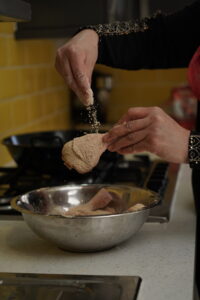
Sprinkle or apply the dry marinade over the food, then turn and coat all sides. Use clean hands, tongs or a spoon to make sure the seasoning reaches edges, folds and thicker areas.
The goal is an even layer, not a heavy clump. Too much dry marinade in one place can taste overpowering or cook unevenly, while too little may leave parts under-seasoned.
Let it rest before cooking
Dry marinades can work quickly, but a short resting time improves flavour. Allow 45–60 minutes for the seasoning to settle and cling to the food when marinating.
- Fish: 45–60 minutes
- Chicken pieces: 45–60 minutes
- Lamb chops or steaks: 45–60 minutes
- Larger cuts: 2 hours or more, where suitable
If preparing food in advance, cover and refrigerate it. Always follow safe food handling guidance, especially with raw chicken and fish.
Choose the right cooking method
Dry marinades are versatile, but heat control matters. High heat can create delicious colour, but too much direct heat may scorch spices before the food is cooked through.
- Oven roasting for even, reliable cooking
- Grilling for char and smoky edges
- BBQ cooking for outdoor flavour
- Pan-frying for quick weeknight meals
- Air frying for convenient crispness
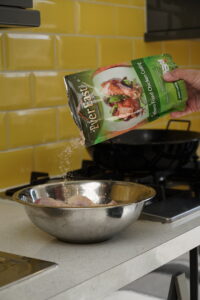
With Ever East marinades, the method is intentionally simple: coat the meat directly, let it settle, then cook. There is no need to add egg, yoghurt, oil, lemon or extra spices unless you personally want to adapt the dish.

Avoid the usual mistakes
Common mistakes when using dry marinades
Using too much marinade
More seasoning does not always mean more flavour. A heavy coating can become salty, dusty or overpowering. Start with an even layer and build confidence as you learn how the marinade behaves.
Not coating evenly
Patchy seasoning leads to patchy flavour. Pay attention to sides, undersides and thicker parts. For wings or drumsticks, work the marinade around joints and skin folds.
Cooking on heat that is too fierce
Spices can burn over extreme direct heat. If the outside is colouring too quickly, move the food to a cooler part of the grill or reduce the heat.
Skipping the resting time
Even a short contact time helps a dry marinade cling and develop better flavour. A brief rest while the oven heats can still make a difference.
Adding unnecessary liquids
Ever East marinades are made to work without extra oils, yoghurt, egg, lemon or complicated ingredients, helping keep prep simple and flavour consistent.
Simple framework
Ingredient, contact time, heat and finish
If you want to use dry marinades effectively every time, think in four practical stages.
Ingredient
Choose the right marinade for the food. A bold tandoori lamb blend suits rich meat, fish needs a marinade that complements rather than overwhelms, and chicken works well with masala-style or Southern fried flavours.
Contact time
Give the marinade enough time to settle. At least 45 minutes is a helpful minimum. If cooking after work, coat chicken or lamb earlier in the day and keep it covered in the fridge.
Heat
Use enough heat to create colour, but not so much that the spices burn. For BBQ cooking, start with direct heat for colour, then move thicker pieces to indirect heat to finish.
Finish
Let cooked meat rest briefly before serving. This helps juices settle and gives the marinade coating a better texture. Serve with rice, flatbreads, salad, roasted vegetables or chips.
Meal ideas
Dry marinade ideas for chicken, lamb and fish
Chicken
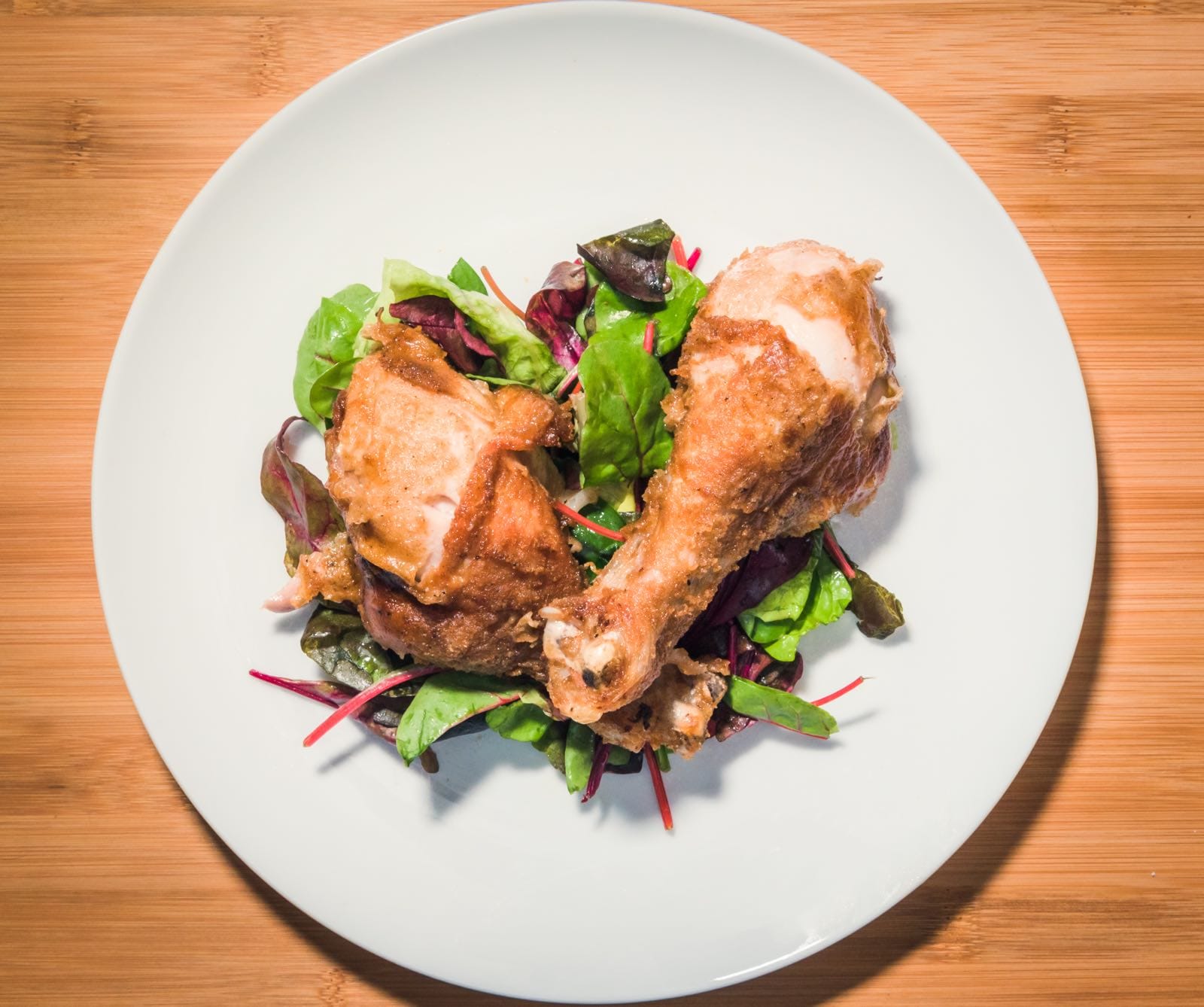
Chicken is one of the easiest ingredients for dry marinades because it takes on flavour well and suits many cooking methods.
- Tandoori masala chicken thighs with rice and cucumber salad
- Southern fried chicken strips in wraps
- BBQ chicken drumsticks with slaw
- Spiced chicken skewers with peppers and onions
- Oven-baked chicken pieces for a low-effort family dinner
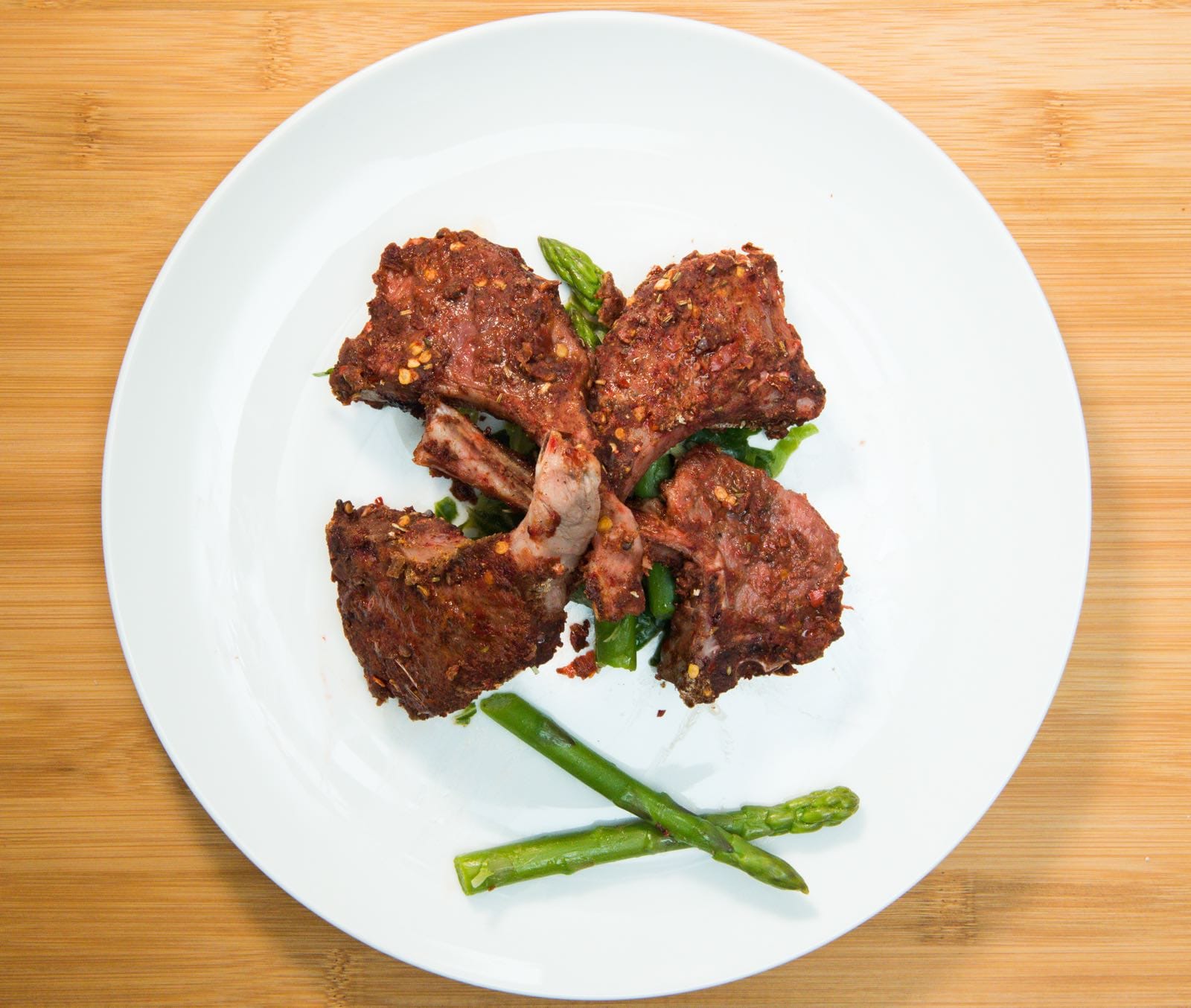
Lamb
Lamb’s richer flavour pairs well with bold spice blends, especially chops, kebabs, steaks and BBQ cuts.
- Tandoori masala lamb chops with flatbreads
- Lamb skewers with onions and peppers
- Grilled lamb steaks with salad
- Masala lamb cubes for quick kebab-style dinners
- BBQ lamb served with mint yoghurt on the side, if desired
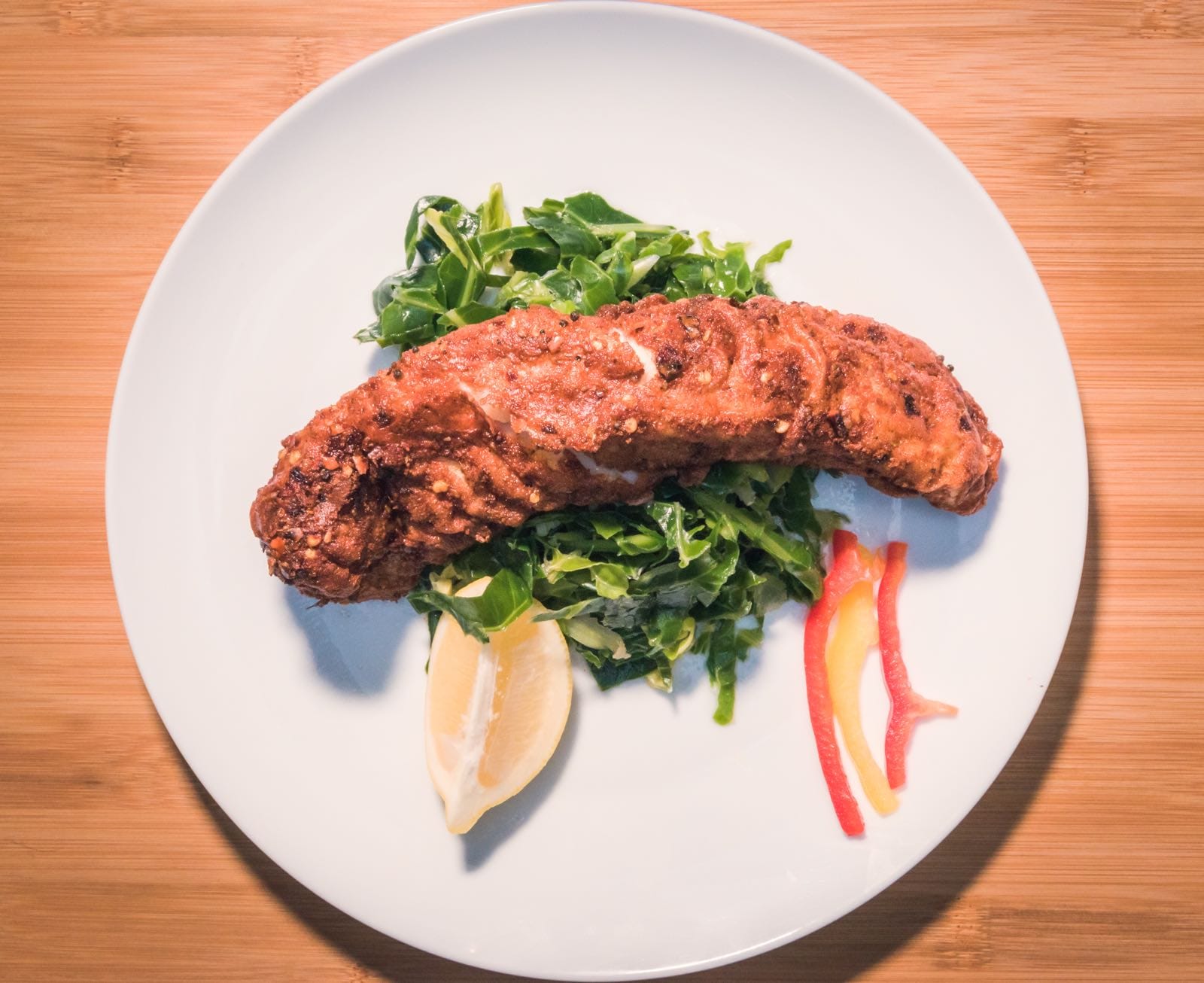
Fish
Fish absorbs flavour quickly and cooks fast, so an even coating and controlled heat are especially important.
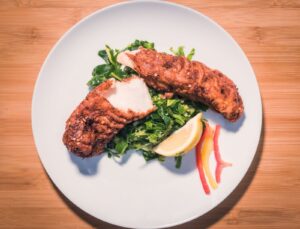
- Tandoori masala fish fillets with lemon wedges
- Grilled fish with rice and salad
- Fish tacos with slaw
- Oven-baked spiced fish with roasted potatoes
- BBQ fish served with fresh herbs and yoghurt dip on the side
Authentic flavour at home
A simpler route to home-style cooking
Traditional home cooking often relies on carefully balanced spices, family methods and instinct built over time. That is part of what makes it special, but it can also make bold flavour feel intimidating when you are short on time.
Dry marinades offer a practical middle ground. They bring together spice, seasoning and balance in one ready-made blend, making it easier to cook flavourful food at home without starting from scratch.
Ever East takes inspiration from home-style family cooking, with marinades created to make authentic-tasting meals more accessible. The story behind the brand began with founder Ayaz and an idea said to have come to him in a dream, shaping a range built around ease, warmth and big flavour.
BBQ cooking
Dry marinades are made for char, aroma and outdoor flavour
Dry marinades are particularly well suited to BBQ cooking because they help create char, aroma and a seasoned crust. They are also easier to transport and prepare than wet marinades, making them useful for garden cooking, summer gatherings and quick outdoor meals.
- Wet meat before coating if desired
- Allow enough resting time before grilling
- Oil the grill grates if needed, rather than adding oil to the marinade
- Use direct heat for colour and indirect heat to finish thicker pieces
- Turn food regularly to avoid scorching
- Keep a cooler area of the BBQ available
- Rest cooked meat before serving
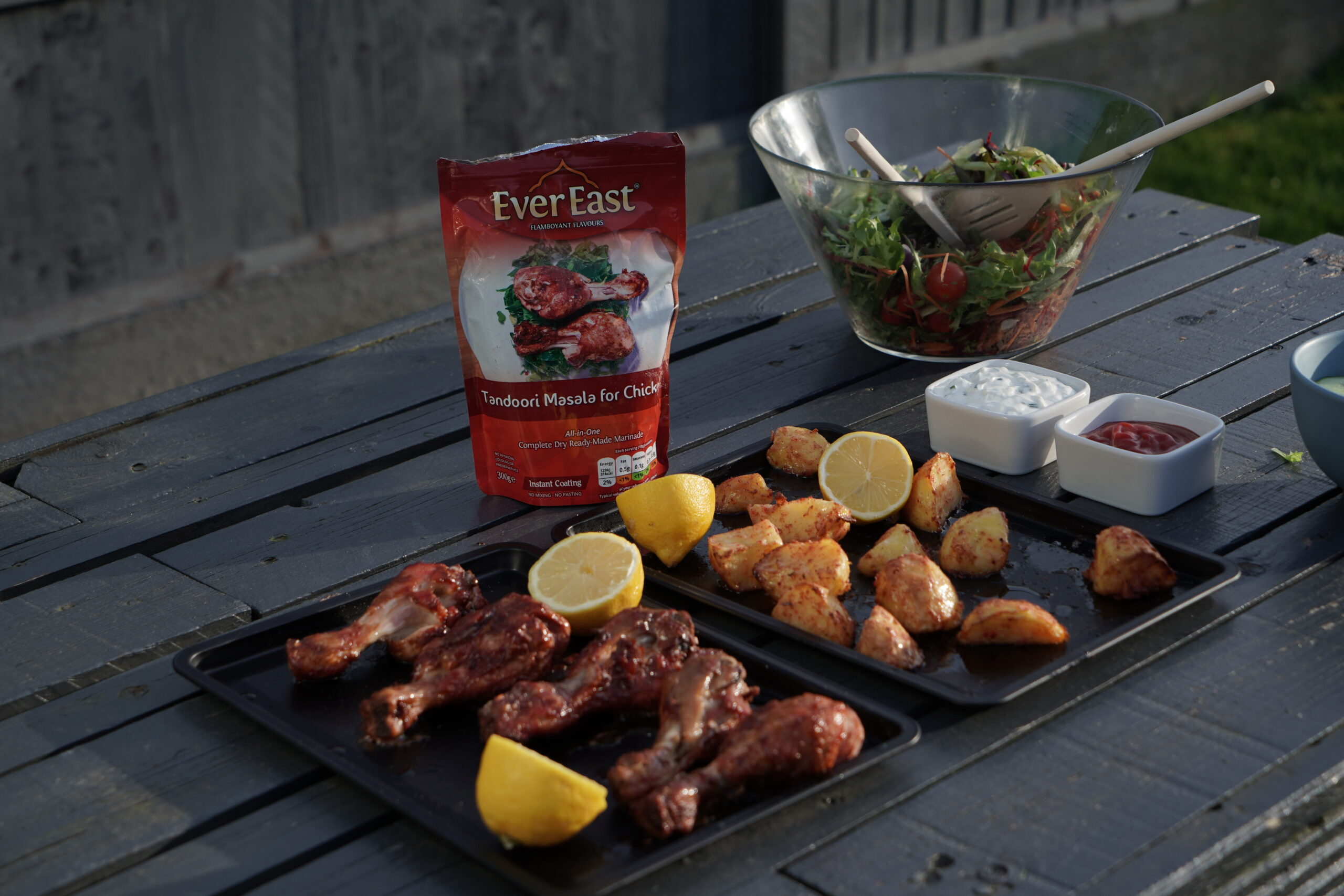
No oil or yoghurt needed
Can you use dry marinades without oil or yoghurt?
Yes. Many dry marinades can be used without adding egg, yoghurt, oil or lemon, especially when they are designed for direct application. The natural moisture in meat or fish helps the seasoning cling, while cooking releases juices that help the spices bloom.
Ever East marinades are made for convenience: no egg, yoghurt, oil, lemon or complicated ingredients are needed. This keeps the method clean and straightforward, which is ideal for weeknight cooking, BBQ prep and family meals.
If you choose to add your own extras, do it intentionally. Yoghurt can soften and cool a tandoori-style dish, lemon can add brightness, and oil can help with browning in some cooking methods. But these additions are optional, not essential, when using a marinade designed to work on its own.
Quick recap
Key takeaways
- Dry marinades are concentrated seasoning blends applied directly to food before cooking.
- For best results, wet food if you want to, coat evenly and allow a short resting time.
- Avoid using too much marinade or cooking over excessive direct heat.
- Match the marinade to the ingredient: chicken, lamb and fish each need slightly different handling.
- Ready-made dry marinades are ideal for quick meals, BBQs and flavourful family cooking.
- Ever East marinades are designed to be simple: coat, cook and serve without extra egg, yoghurt, oil, lemon or complicated prep.
Ready to cook with less fuss and more flavour?
Choose your Ever East dry marinade, coat your meat or fish, cook it your way, and serve a meal that feels generous, warming and full of character.
FAQs
Dry marinade questions, answered
What is a dry marinade?
A dry marinade is a blend of spices, seasoning and flavouring ingredients applied directly to food before cooking. It works by coating the surface and developing flavour as the food cooks, without needing a liquid base such as oil, yoghurt or vinegar.
How do you use dry marinades on chicken?
Wet the chicken if you desire, coat it evenly with the dry marinade, then let it rest for at least 45 minutes if possible. Cook in the oven, pan, air fryer, grill or BBQ until fully cooked through. Chicken thighs, drumsticks, wings and strips are especially good for dry marinades.
How long should you leave a dry marinade on meat?
Ever East recommends at least 45 minutes for fish, chicken and lamb. Always refrigerate food if marinating for longer periods.
Do dry marinades need oil?
Not always. Some dry marinades are designed to be used with oil, but Ever East marinades are made to be applied directly without egg, yoghurt, oil, lemon or complicated ingredients. The natural moisture in the food helps the marinade cling.
Can you use dry marinades on fish?
Yes. Coat the fish evenly, allow the seasoning to settle, then cook until it flakes easily. A fish-specific blend is best for balanced flavour.
Are dry marinades good for BBQs?
Yes. Dry marinades are excellent for BBQ cooking because they create a flavourful surface coating and can develop delicious char. Use controlled heat, avoid burning the spices, and move thicker pieces to indirect heat so they cook through properly.
What is the difference between a dry rub and a dry marinade?
A dry rub is usually a surface seasoning, while a dry marinade is often designed to deliver a fuller flavour experience without a wet base. In practice, they are used in similar ways, but a dry marinade is more likely to be balanced as a complete coating for the ingredient.